Your Guide to Preventing Ice Dams and Winter Roof Damage in Indiana
A beautiful Indiana winter, with its crisp air and blanket of fresh snow, is something to behold. But for homeowners, that picturesque scene can hide a serious threat to their roof: ice dams. These thick ridges of ice at the edge of your roof can cause significant water damage, leading to costly repairs and major headaches. As a trusted local roofing expert serving the greater Indianapolis area, we at Curb Appeal Roofing and Restoration want to help you protect your home. This guide will walk you through what causes ice dams, how to spot the warning signs of winter roof damage, and what proactive steps you can take to prevent problems before they start.
What is an Ice Dam, and Why is it a Problem?
An ice dam is more than just a row of icicles. It’s a sign of an underlying issue with heat loss in your home. The process is simple but destructive:
- Heat Escapes: Warm air from your living space rises into your attic, warming the underside of your roof deck.
- Snow Melts: This heat causes the snow on the upper parts of your roof to melt, even when the outside temperature is below freezing.
- Water Refreezes: The meltwater runs down the roof until it reaches the colder eaves (the edges of the roof that extend past the walls). Here, it refreezes, creating a small ridge of ice.
- The Dam Builds: As this cycle continues, the ridge of ice grows larger, forming a dam.
This dam traps melting snow behind it, creating a pool of standing water. This water has nowhere to go but up and under your shingles, where it can leak into your attic, insulation, ceilings, and walls. This can lead to rotted wood, saturated insulation, and mold growth—problems that are far more expensive to fix than the initial prevention. Understanding this process is the first step in safeguarding your home from the harsh realities of a Hoosier winter.
Telltale Signs of Winter Roof Distress
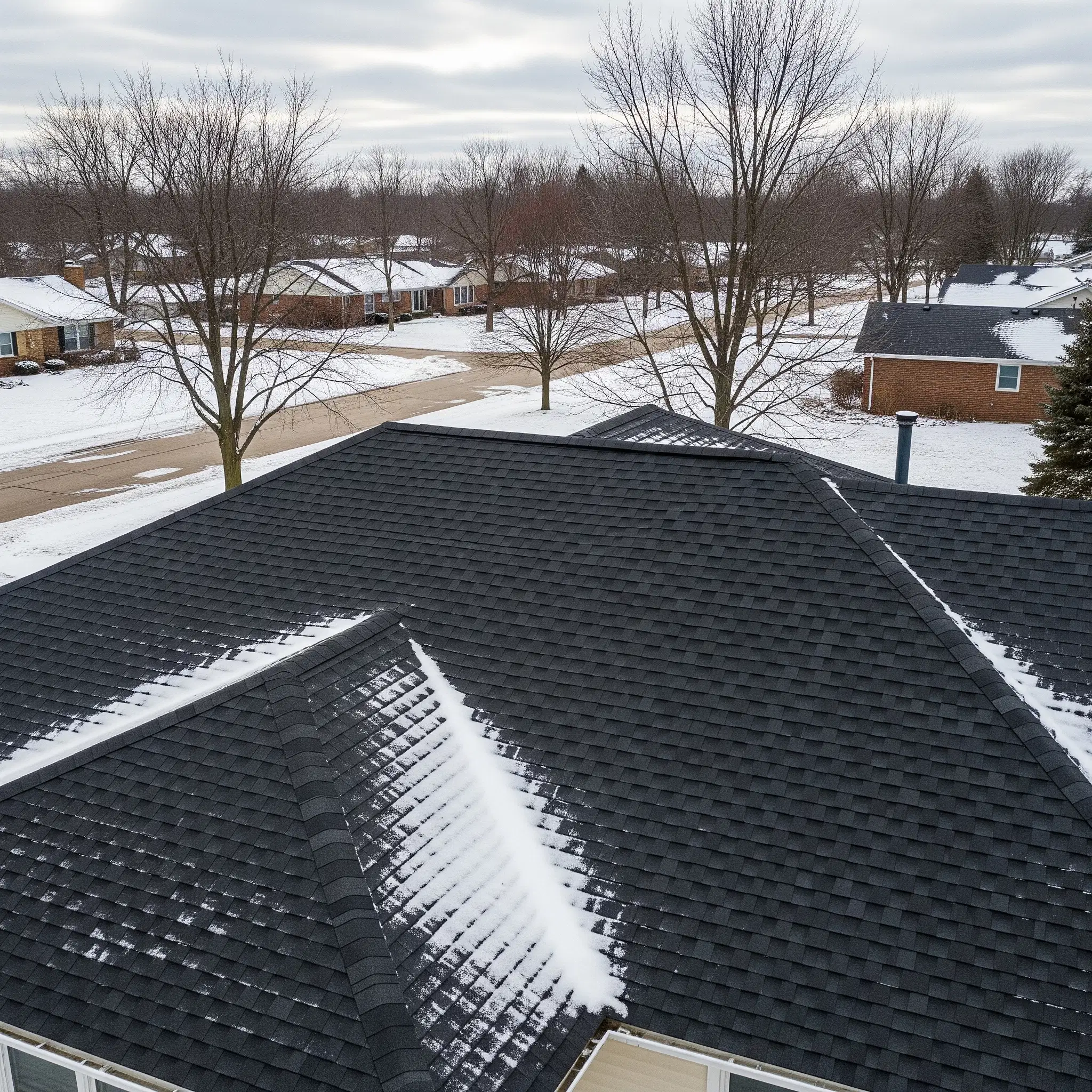
Your roof often gives you warning signs before a major problem occurs. Being vigilant during the winter months can help you catch issues early. Here’s what to look for:
- An Abundance of Large Icicles: While small icicles are normal, a thick, solid wall of them along your gutters is a primary indicator that an ice dam is forming. The ice is a symptom of water freezing at the eaves.
- Water Stains on Ceilings and Walls: Check the ceilings and exterior walls on your top floor. Any discoloration or damp spots are a red flag that water has penetrated your roof and is making its way into your home.
- Damaged Gutters: The sheer weight of ice dams can bend, warp, or even pull gutters away from your house. If you notice your gutters sagging or detaching, it's a sign of a serious ice buildup.
- Visible Damage to Soffit and Fascia: The wooden boards along your roofline, known as the soffit and fascia, are highly susceptible to water damage from ice dams. Look for peeling paint, soft spots, or signs of rot, as this indicates trapped moisture.
How to Proactively Prevent Ice Dams
The best way to deal with ice dams is to prevent them from forming in the first place. Most preventative measures focus on controlling the heat in your attic and ensuring proper water drainage.
1. Improve Attic Insulation: The most effective long-term solution is to ensure your attic is properly insulated. A thick, even layer of insulation on the attic floor prevents warm air from reaching the roof deck. This keeps your roof surface cold, preventing snow from melting prematurely.
2. Ensure Proper Ventilation: A well-ventilated attic allows cold outside air to circulate, keeping the roof deck at a consistent temperature. This typically involves a system of soffit vents (under the eaves) and ridge vents (at the peak of the roof). This combination creates a continuous airflow that removes any heat that does escape into the attic.
3. Seal Air Leaks: Stop warm air from getting into your attic in the first place. Seal any gaps around plumbing vents, electrical wiring, chimneys, and attic hatches. These small leaks can contribute significantly to a warm attic and, consequently, ice dams.
4. Keep Your Gutters Clean: Before winter arrives, make sure your gutters and downspouts are completely free of leaves and debris. Clogged gutters are a primary cause of ice dams, as they prevent meltwater from draining away properly, giving it time to freeze at the roof's edge.
When to Call a Professional for Help
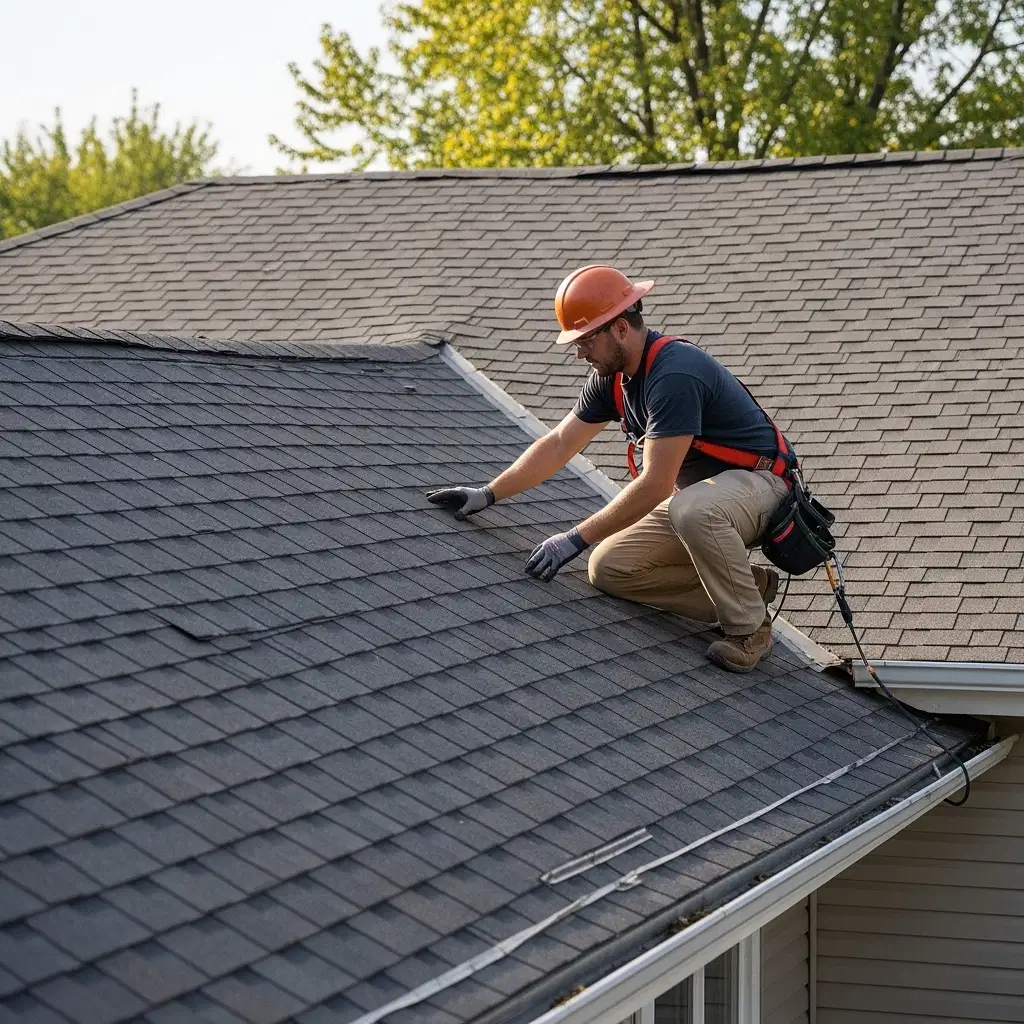
While prevention is key, sometimes winter gets the upper hand. If you already have a significant ice dam or suspect damage, it's crucial to call a professional. Attempting DIY removal can be dangerous and may cause more harm to your roof.
Never try to chip away ice with a shovel or hammer, as you can easily damage your shingles. Using rock salt or calcium chloride can also corrode your gutters and harm your landscaping.
A professional roofing contractor can safely remove ice dams using specialized equipment like steamers, which melt the ice without damaging your roof. More importantly, we can perform a thorough roof inspection to identify the root cause of the problem. Using modern technology like drone inspections, we can get a clear picture of your roof's condition and recommend the right solutions, whether it's a simple roof repair or improvements to your attic's insulation and ventilation system.
Protect Your Home This Winter with Curb Appeal
Winter in Indiana doesn't have to be a source of stress for homeowners. By understanding the causes of ice dams and taking proactive steps, you can keep your roof in great shape all season long. Remember, the key is a cold roof, which is achieved through proper insulation, ventilation, and air sealing.
If you're concerned about your roof's readiness for winter or are already seeing signs of trouble, don't wait for the damage to get worse. Contact Curb Appeal Roofing and Restoration today. Our team provides expert roof inspections, repairs, and soffit and fascia services throughout the Indianapolis area to ensure your home is safe, secure, and ready for whatever winter brings. Schedule your consultation and gain peace of mind this season.