Don't Let the Drip Win: A Homeowner's Guide to Preventing Roof Leaks in Heavy Rain
There’s nothing quite like the sound of a summer thunderstorm rolling through the Indianapolis area. But for many homeowners, the relaxing patter of rain can quickly turn into a source of anxiety. Is that a new water spot on the ceiling? Is the roof holding up against this downpour? A small leak can quickly escalate into significant damage, compromising your home's structure and your peace of mind.
Fortunately, you don't have to leave it to chance. Understanding the common causes of roof leaks and taking proactive steps can keep your home safe and dry, no matter what the Indiana weather throws your way. This guide will walk you through how to identify potential weak spots, what you can do to prevent leaks, and the immediate steps to take if you find water getting in.
The Usual Suspects: Common Causes of Roof Leaks
A leak that appears during heavy rain is often a symptom of an underlying issue that has been developing over time. Here are the most frequent culprits we see causing trouble for Hoosier homes:
- Damaged or Missing Shingles: Your shingles are the first line of defense. High winds, hail from a passing storm, or simple aging can cause shingles to crack, curl, or blow off entirely, exposing the vulnerable underlayment to rain.
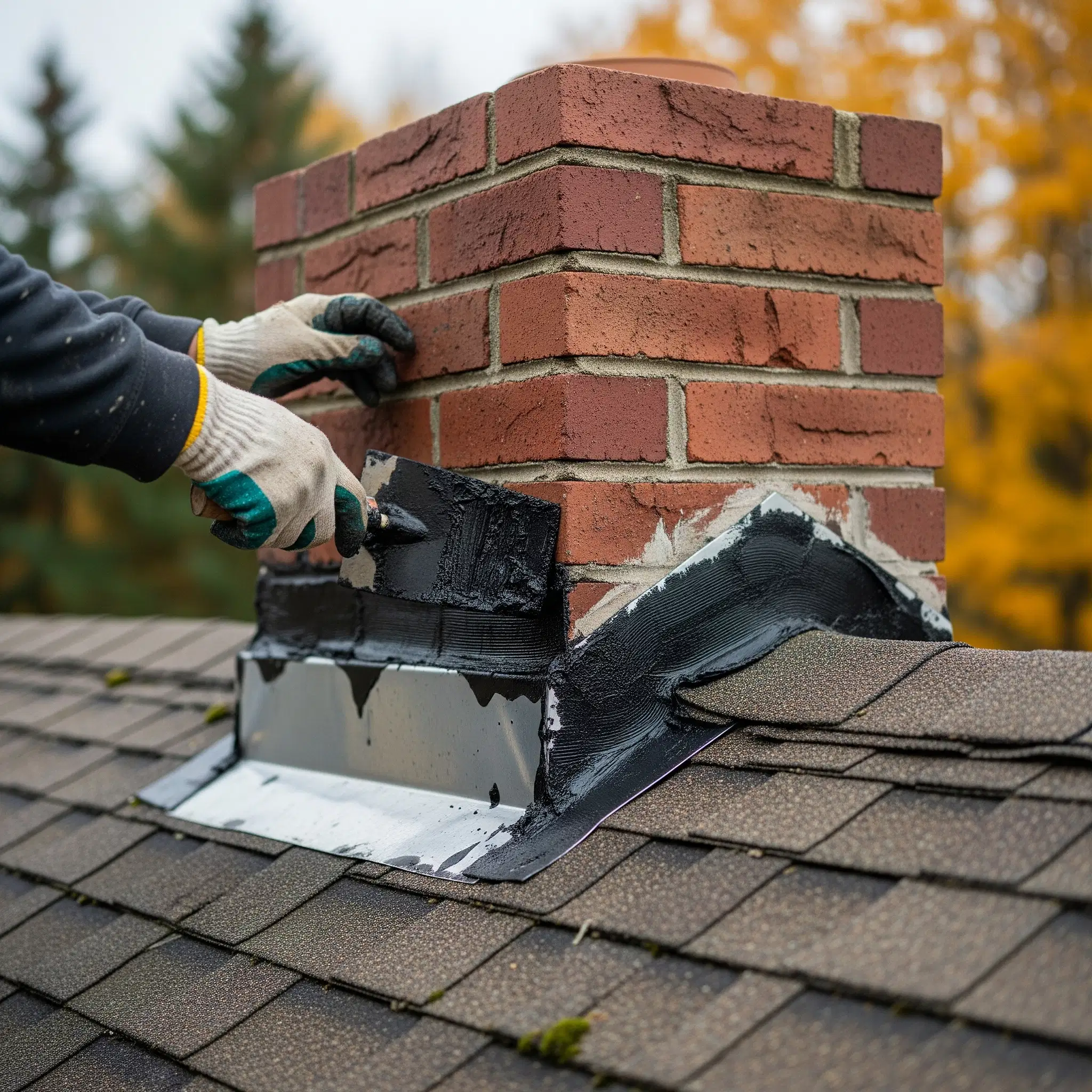
- Compromised Flashing: Flashing consists of thin metal strips installed wherever your roof meets a vertical surface—think chimneys, dormer walls, vents, and skylights. These are critical seals, and if they become rusted, loose, or improperly installed, they create a direct path for water to enter your home. This is one of the most common failure points on any roof.
- Clogged Gutters and Downspouts: When gutters are filled with leaves and debris, rainwater can't drain properly. It pools along the roofline, seeping under the shingles and potentially damaging the fascia boards and roof deck. In winter, this can lead to destructive ice dams.
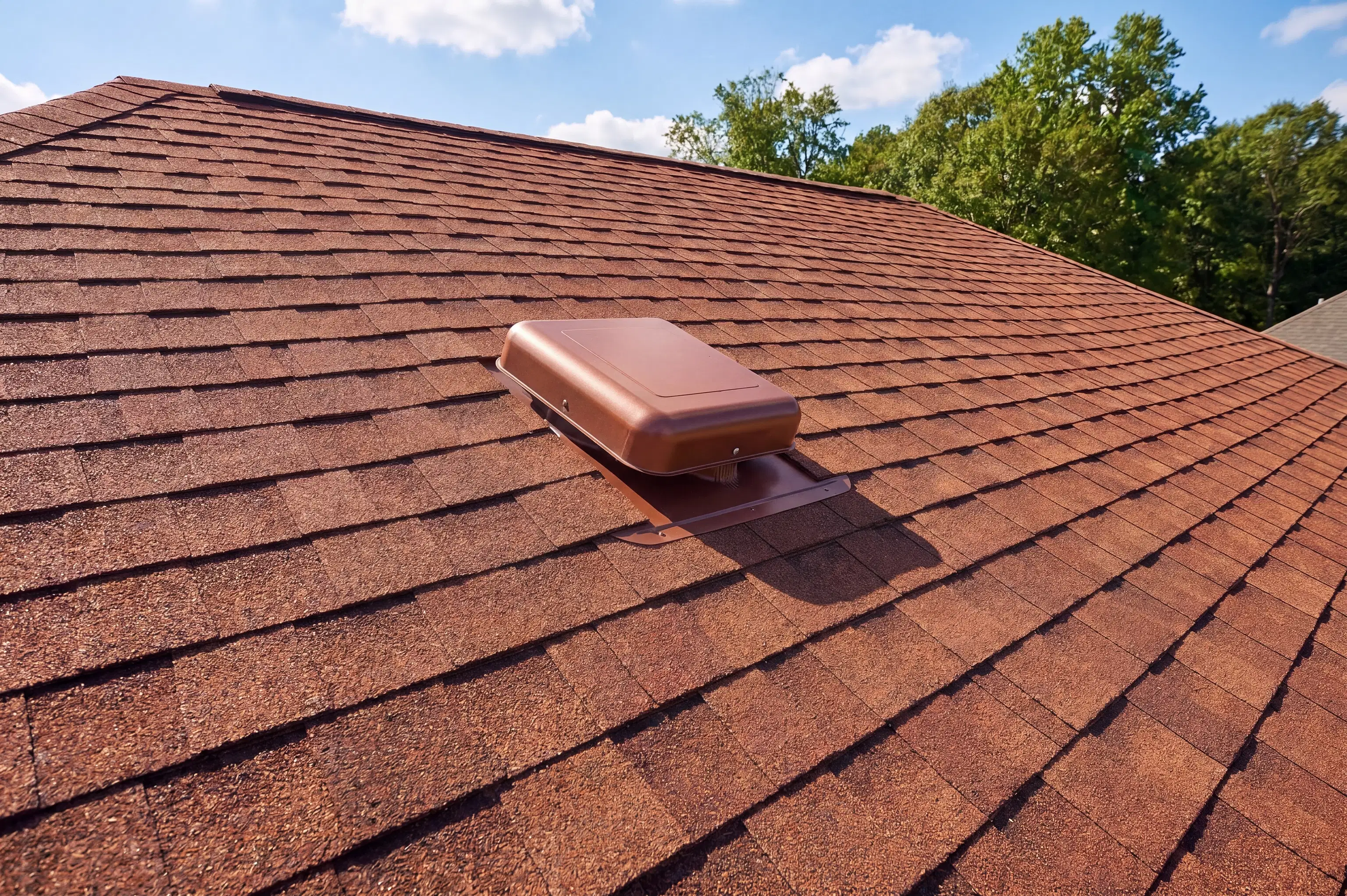
- Cracked Vent Boots: Plumbing vents on your roof are sealed with a rubber boot. Over time, exposure to the sun and elements causes this rubber to dry out and crack, breaking the watertight seal and allowing rain to trickle down the pipe into your attic and ceilings.
- Aging Roof System: Even the best-installed roof has a finite lifespan. As a roof ages, its materials become brittle and less effective at repelling water, making it more susceptible to leaks during severe weather.
Proactive Maintenance: Your Best Defense Against Leaks
Preventing a leak is always easier and more affordable than repairing the damage it causes. A little proactive care can save you major headaches down the road, especially before the spring and summer storm season hits.
- Schedule Regular Professional Inspections: The single most effective way to prevent leaks is to have a professional conduct a thorough roof inspection annually. An expert can spot subtle signs of wear and tear, like failing flashing or cracked vent boots, that are invisible from the ground. Catching these issues early allows for simple repairs before they become major problems.
- Keep Your Gutters Clean: Make it a habit to clear your gutters of leaves, twigs, and other debris at least twice a year—once in the late spring and again in the late fall. This ensures water can flow freely away from your home's foundation and roofline.
- Trim Overhanging Trees: Long branches hanging over your roof can scrape away the protective granules on your shingles during high winds. Worse, a heavy branch could fall during a storm, causing significant structural damage. Keep branches trimmed back a safe distance from your roof.
- Check Your Attic: After a heavy rain, take a quick look in your attic with a flashlight. Look for signs of moisture, water stains on the wood, or damp insulation. Catching a leak from the inside can help you pinpoint the problem area for a roofer.
Emergency Action: What to Do if You Find a Leak During a Storm
Discovering a leak in the middle of a downpour can be stressful, but a calm and quick response can significantly limit the damage.
- Contain the Water: Immediately place a bucket or waterproof container under the drip to catch the water. If the ceiling is bulging, the water may be pooling. You can carefully puncture the center of the bulge with a small screwdriver to release the pressure in a controlled way, preventing a larger section of the ceiling from collapsing.
- Move Your Belongings: Relocate any furniture, electronics, or valuable items away from the affected area to protect them from water damage.
- Stay Off the Roof: Never attempt to go onto your roof during a storm. A wet roof is incredibly slippery and dangerous. Leave any exterior assessment to the professionals once the weather has cleared.
- Call for Professional Help: Your first call should be to a trusted roofing contractor. At Curb Appeal Roofing and Restoration, we can assess the situation and, if necessary, perform emergency tarping to prevent further water intrusion until a permanent roof repair can be safely completed.
Protect Your Home with Professional Expertise
From a minor drip to a major issue, water has no place inside your home. While DIY patches might seem like a quick fix, they often fail to address the root cause of the leak, leading to recurring problems and more extensive damage over time. A professional repair ensures that the true source of the leak—whether it's hidden flashing failure, a cracked skylight seal, or compromised underlayment—is properly identified and fixed with the right materials and techniques for a lasting solution.
Don't wait for the next storm to test your roof's integrity. The team at Curb Appeal Roofing and Restoration is dedicated to helping Indianapolis homeowners protect their most valuable asset. If you're concerned about your roof's condition or need an expert to address an active leak, contact us today. Schedule a comprehensive roof inspection or a prompt roof repair and enjoy the next rainfall with confidence.