Don't Let It Rot: A Homeowner's Guide to Preventing Costly Fascia and Soffit Damage
As a homeowner, you probably pay close attention to your shingles, but what about the trim along your roofline? The fascia and soffit are the unsung heroes of your home's exterior. They provide a finished look, protect your home from pests, and play a crucial role in your roof's health. Unfortunately, these components are often overlooked until a serious problem, like wood rot, has already set in. For homeowners here in the Indianapolis area, our humid summers and wet storm season can create the perfect conditions for rot to take hold, leading to expensive and complex repairs.
Protecting your home isn't just about the main roof surface; it's about the entire system working together. This guide will walk you through what fascia and soffit do, how to spot the early signs of rot, and the simple, proactive steps you can take to prevent it, saving you headaches and money in the long run.
What Are Fascia and Soffit, Anyway?
Before we dive into preventing rot, let's clarify what these components are and why they're so important for your home's integrity.
-
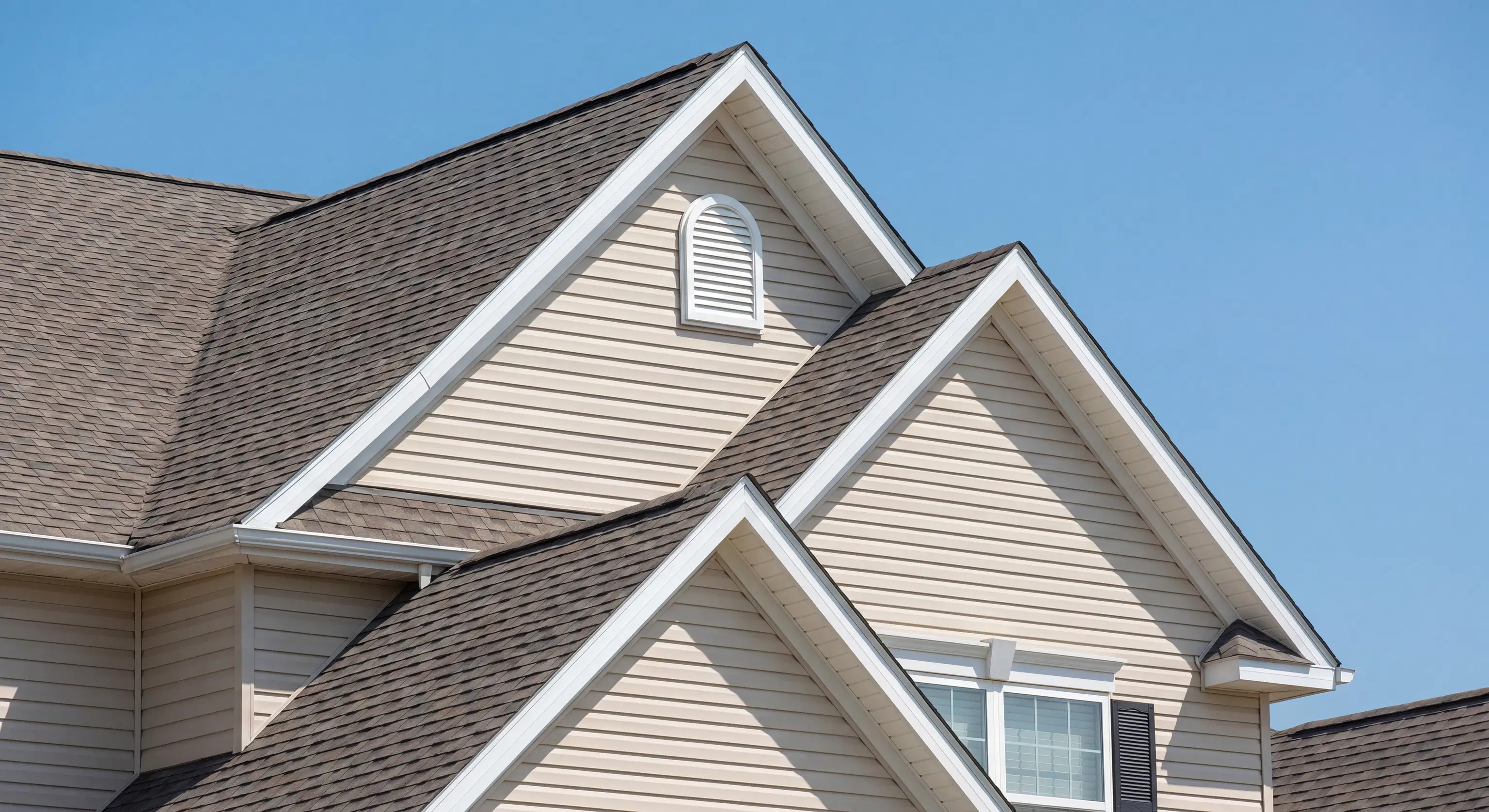
Fascia: This is the long, straight board that runs along the lower edge of your roof, right behind the gutters. Think of it as the trim that connects the roof to the outer walls. Its primary job is to protect the wooden roof trusses from the elements and provide a stable, even surface for your gutters to attach to. Without a strong fascia, your gutters could sag or pull away, rendering them useless.
-
Soffit: If you look up at your roof's overhang from the ground, the material covering the underside is the soffit. Its main purpose is ventilation. Soffits are typically vented to allow air to circulate into your attic. This airflow is critical for regulating temperature, preventing moisture buildup, and stopping the formation of destructive ice dams in the winter. Soffits also serve as a barrier to keep pests like squirrels, birds, and bats from making a home in your attic.
Together, the fascia and soffit seal off your roof structure, protect it from moisture, and ensure your attic can breathe, making them essential for the longevity of your entire roofing system.
How Rot Takes Hold: Common Causes for Indiana Homes
Wood rot is caused by one primary culprit: persistent moisture. When fascia and soffit boards are repeatedly exposed to water without a chance to dry out, fungus begins to grow and break down the wood fibers. Here are the most common ways water finds its way to these vulnerable areas:
- Clogged Gutters: This is the number one cause of fascia rot. When leaves and debris block your gutters, rainwater has nowhere to go but over the edge, soaking the fascia board directly behind it. During our heavy storm season, a clogged gutter can cause immense damage in a short time.
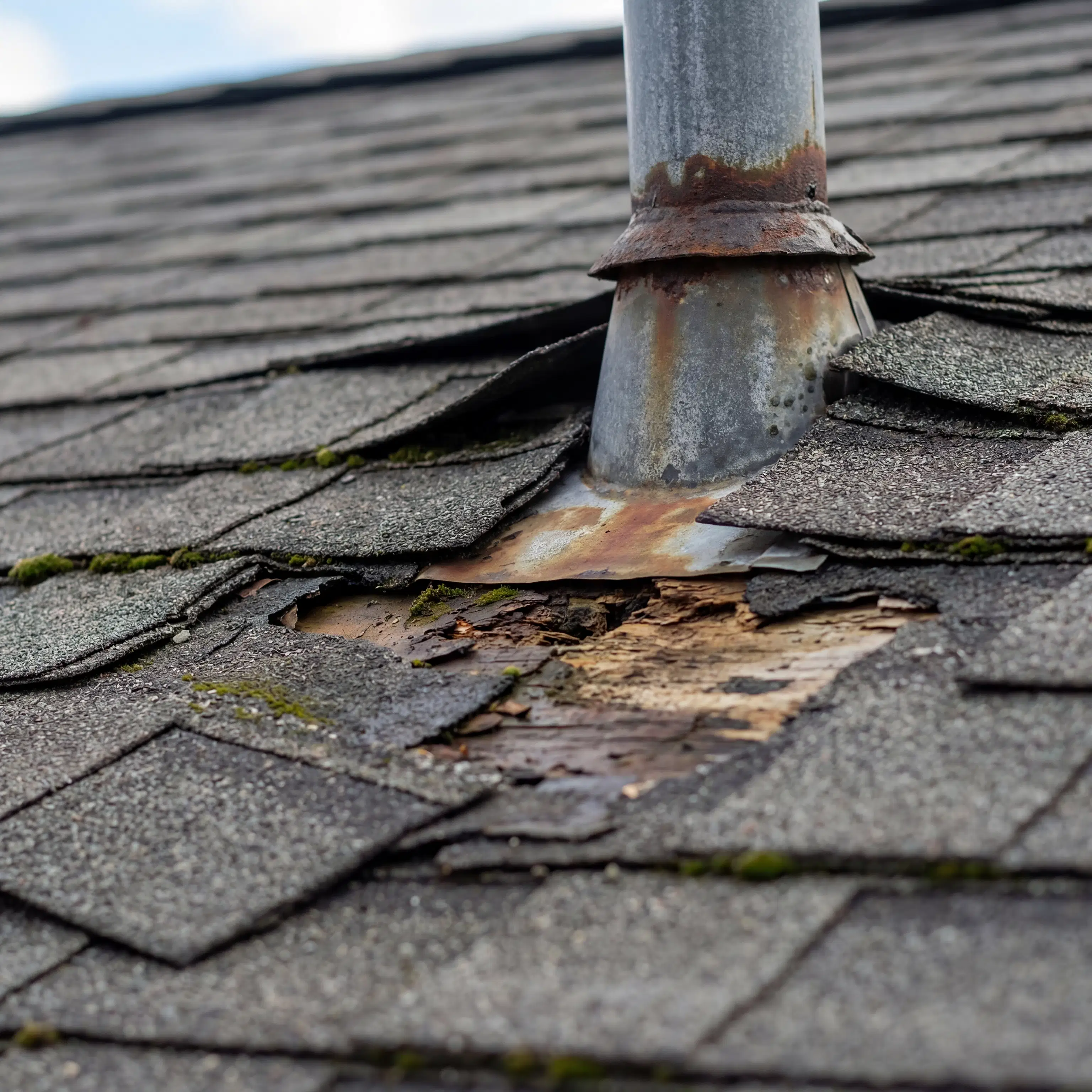
- Damaged or Missing Drip Edge: The drip edge is a piece of metal flashing that directs water from the roof's edge into the gutters. If it's damaged or was never installed correctly, water can seep behind the gutter and onto the fascia and soffit.
- A Leaky Roof: Water from a leak higher up on the roof can travel down the decking and rafters, eventually pooling on the soffit from above. This hidden moisture can cause extensive rot before you ever see a stain on your ceiling.
- Poor Attic Ventilation: If soffit vents are blocked by insulation or debris, humid air gets trapped in the attic. This moisture can condense on the underside of the roof sheathing and soffit boards, leading to slow-developing rot from the inside out.
Spotting the Early Warning Signs of Rot
Catching rot early is the key to preventing a small repair from becoming a major project. Grab a pair of binoculars or take a careful walk around your home and look for these telltale signs:
- Peeling or Bubbling Paint: This is often the very first sign that the wood underneath is holding moisture.
- Dark Stains or Discoloration: Black or green streaks on the wood can indicate mold or mildew growth, a clear sign of excess water.
- Soft or Crumbly Wood: If you can safely reach it, gently press on a suspect area with a screwdriver. Healthy wood is firm; if it feels soft, spongy, or crumbles, rot has already begun.
- Cracks in the Wood or Caulk: As wood swells and contracts with moisture, it can cause cracks to form, creating more entry points for water.
- Evidence of Pests: An increase in bees, wasps, or other insects around the roofline can mean they've found soft, rotting wood that's easy to burrow into.
- Sagging or Misaligned Gutters: Since gutters are attached to the fascia, a sagging gutter is a strong indicator that the fascia board is failing.
Proactive Steps to Protect Your Fascia and Soffit
Fortunately, preventing fascia and soffit rot is straightforward with regular maintenance. A little effort now can save you from significant expenses later.
-
Clean Your Gutters Regularly: Make it a habit to clean your gutters at least twice a year—once in the spring and again in the late fall after the leaves have dropped. This single step is the most effective way to prevent fascia rot. If you notice your gutters are clogged or pulling away from the house, it's time for professional gutter repairs.
-
Ensure Proper Attic Ventilation: Check that your soffit vents are not blocked by paint, debris, or attic insulation. Proper airflow is essential for keeping the entire roof structure dry.
-
Schedule Regular Inspections: A professional roof inspection can identify potential issues you might miss from the ground. An expert can spot problems with flashing, the drip edge, and the early stages of water damage before they escalate.
-
Address Roof Damage Promptly: Don't ignore a few missing shingles or a small leak. A timely roof repair can prevent water from penetrating the roof system and damaging your soffit and fascia.
Protect Your Home with Professional Care
Your home's fascia and soffit are more than just decorative trim—they are essential components that protect your roof and attic from the elements. By understanding their function and keeping an eye out for the warning signs of rot, you can protect your investment and maintain your home's curb appeal.
If you've noticed peeling paint, stained boards, or leaky gutters on your home, don't wait for the problem to get worse. The expert team at Curb Appeal Roofing and Restoration is here to help homeowners across the Indianapolis area. We specialize in professional soffit and fascia services, gutter maintenance, and comprehensive roof inspections. Contact us today for a free, no-obligation estimate and get the peace of mind that your home is fully protected.