Beyond the Walls: How Damaged Siding Puts Your Roof at Risk
As a homeowner, you likely think of your roof and siding as two separate parts of your house. The roof keeps the rain off your head, and the siding protects the walls. While that’s true, it’s a bit like thinking the heart and lungs aren’t connected. In reality, your home's exterior is a complete system, where each part relies on the other to provide total protection. For homeowners in Indianapolis, understanding this connection is crucial to preventing small issues from becoming major, costly repairs.
Ignoring cracked, loose, or aging siding isn't just a cosmetic problem—it can create a direct pathway for damage to the most critical part of your home's structure: your roof. In this post, we'll explore the hidden ways siding damage can compromise your roof's integrity and what you can do to protect your investment.
The Unseen Connection: Your Home's Protective Shield
Think of your home's exterior as a building envelope. The goal of this envelope is to create a seamless barrier against the elements. Your siding is the first line of defense for your walls, designed to shed water, block wind, and withstand impacts. When it’s in good condition, it expertly channels rainwater down and away from your home's foundation and structural components.
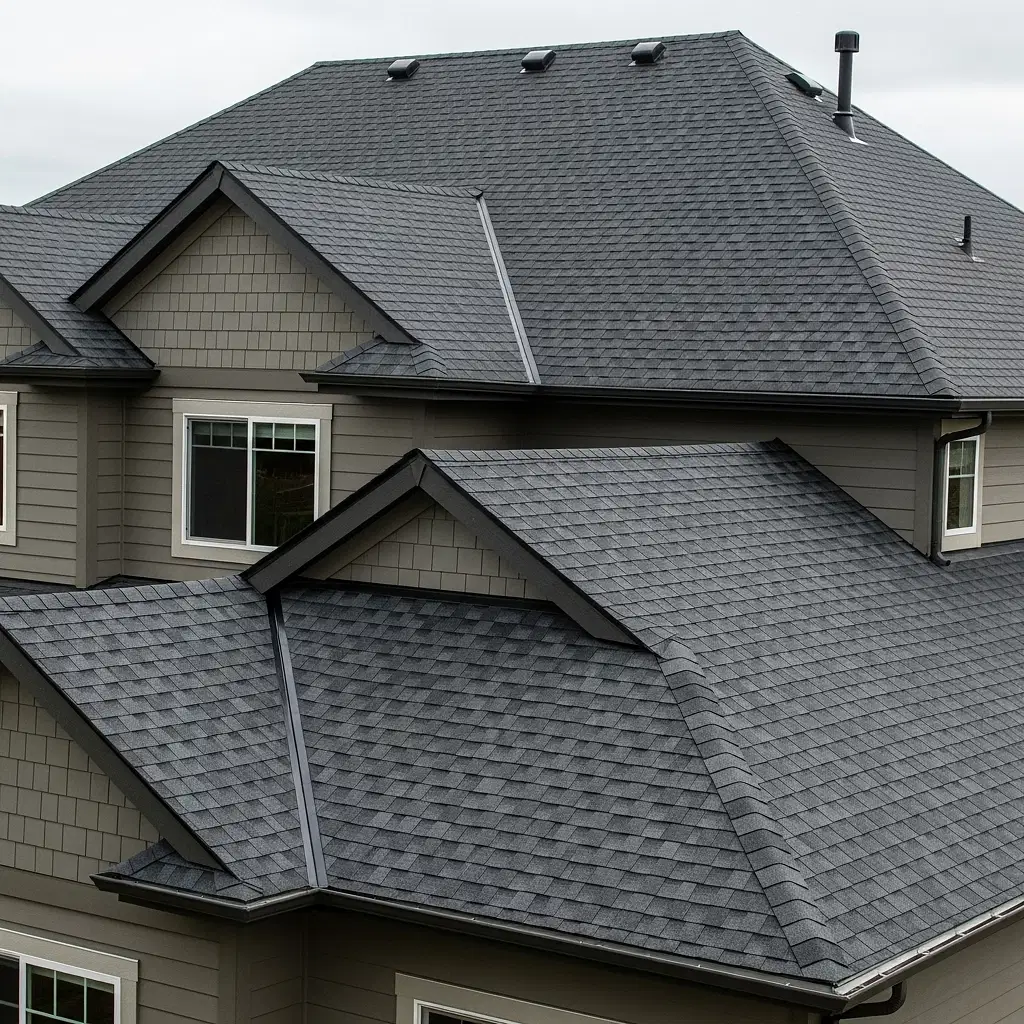
However, the roof and siding don't just exist side-by-side; they meet and overlap in critical areas, such as along dormers, second-story additions, and gables. At these intersections, a specialized material called flashing is used to create a waterproof seal. The integrity of your entire exterior shield depends on both the siding and the roofing materials working together perfectly. When one part fails, the entire system is weakened, leaving your home vulnerable, especially during a classic Hoosier storm season.
The Domino Effect: From Cracked Siding to a Leaky Roof
So, how exactly does a siding problem lead to a roof problem? It happens through a process of slow, steady water intrusion that can cause significant damage before you even notice a leak in your ceiling.
1. Water Infiltration Behind the Scenes: When siding is cracked, warped, or has sections missing, it can no longer do its job of directing water away from your home. Instead, rain and melting snow can seep behind the panels. This trapped moisture doesn't just stay in one place; it can travel upwards and sideways, eventually reaching the wooden sheathing of your roof deck. This is a common cause of slow leaks and wood rot that can compromise the structural integrity of your roof.
2. Compromised Flashing: The flashing where your roof and siding meet is a common failure point. If the siding around this flashing is damaged or pulling away from the wall, it can break the watertight seal. This creates a direct entry point for water to get under your shingles and into your attic, leading to damaged insulation, mold growth, and eventually, significant structural issues.
3. Spreading Rot and Decay: Once moisture gets into the wooden components of your home, whether it's the wall sheathing or the roof decking, it creates the perfect environment for rot. This decay can weaken the structure that supports your roof, making it less stable and more susceptible to damage from wind and snow. What started as a small crack in a piece of siding can eventually lead to the need for a major roof repair or even a full replacement.
Warning Signs Your Siding is Harming Your Roof
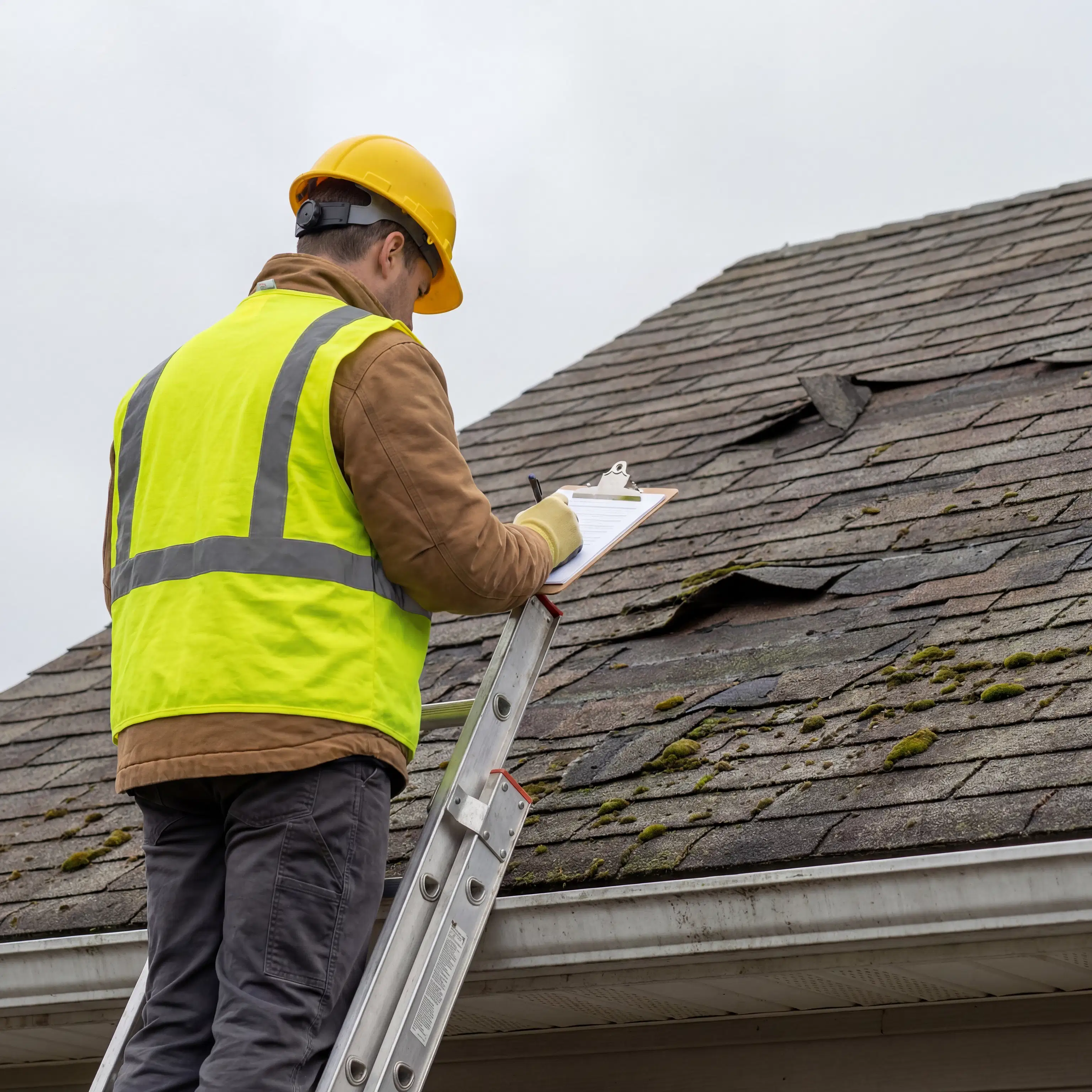
Being proactive is the key to preventing extensive damage. A regular walk around your property can help you spot siding issues before they escalate. Here are a few key warning signs to look for:
- Visible Cracks, Gaps, or Holes: Any opening is an invitation for water.
- Warped or Bubbling Panels: This often indicates that moisture is already trapped behind the siding.
- Loose or Missing Siding: This is a major vulnerability that exposes the underlayment to direct weather.
- Mold, Mildew, or Fungus: Green or black spots, especially near the roofline, are a clear sign of a moisture problem.
- Peeling Paint or Stains: If you notice peeling paint or discolored streaks on your siding, it could be a sign of water running where it shouldn't be.
- Soft Spots: If you gently press on your siding and it feels soft or spongy, it could be a sign of underlying rot.
If you see any of these signs, it's a good idea to have a professional take a look. An expert can determine the extent of the damage and whether it has started to affect your roofing system.
A Coordinated Approach to a Lasting Solution
When you have damage to both your siding and roof, it’s often best to address them together. Tackling a siding replacement and a roof replacement at the same time ensures that the flashing and water barriers are installed seamlessly, creating a perfectly integrated protective envelope. This coordinated approach not only provides the best protection but also enhances your home's overall curb appeal and value.
Whether you need a simple siding repair or a more comprehensive overhaul, it's crucial to work with a contractor who understands how the entire exterior system functions. A thorough roof inspection should always include checking the areas where the siding and roof connect. This holistic view ensures that the root cause of the problem is addressed, not just the symptoms, giving you peace of mind that your home is truly protected.
Protect Your Entire Home with Expert Care
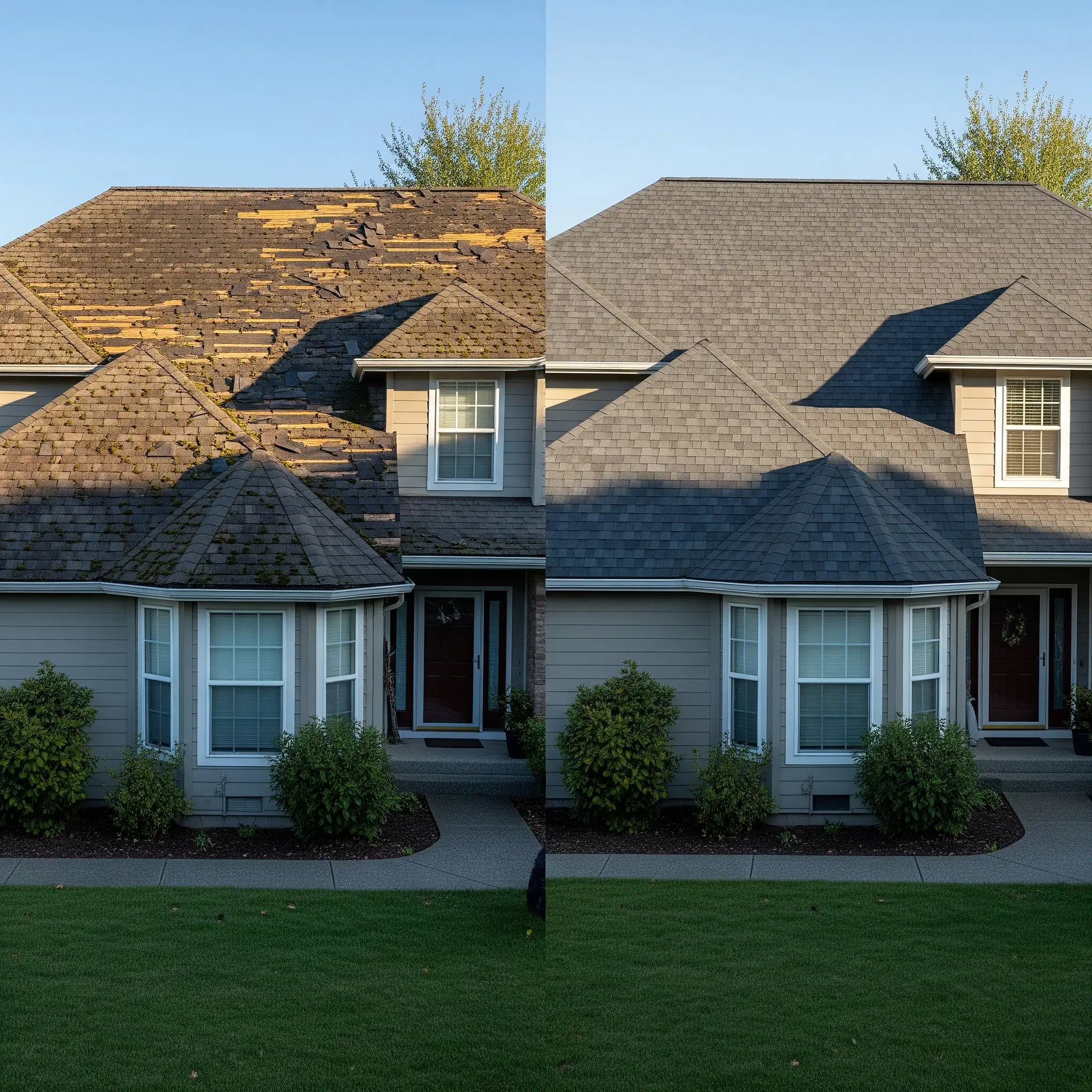
Your siding and roof are a team, and they need to work together to keep your home safe and dry. Neglecting siding damage is a risk that can lead to much bigger, more expensive problems with your roof and your home's structure. By being vigilant and addressing issues early, you can protect your most valuable asset for years to come.
If you've noticed issues with your siding and are concerned about your roof's integrity, don't wait for the problem to worsen. The team at Curb Appeal Roofing and Restoration is here to help homeowners throughout the Indianapolis area with comprehensive exterior solutions. Contact us today to schedule a professional inspection and ensure your home is protected from the top down.