After the Storm: A Homeowner's Guide to Spotting Hidden Roof Damage
The skies have cleared and the sun is out, but after a rough Indiana storm, the real worry for homeowners is just beginning. As any Hoosier knows, our weather can turn on a dime, and the high winds, driving rain, and hail that define a typical storm season can leave behind more than just a few downed branches. While a missing shingle is easy to spot, the most costly roof damage is often invisible from the ground, lurking undetected until it causes a serious leak.
At Curb Appeal Roofing and Restoration, we've seen firsthand how minor, hidden issues can escalate into major problems for homeowners across the Indianapolis area. This guide is designed to help you identify the subtle warning signs of storm damage, so you can take action to protect your home's value and integrity before a small problem becomes a catastrophe.
Start with Your Feet on the Ground: A Safe Initial Check
Before you even think about a ladder, you can gather crucial clues about your roof's condition from the safety of your yard. A quick walk around your property can reveal evidence of damage that warrants a closer look from a professional. Here’s what to look for:
- Dented Gutters, Vents, and Flashing: Take a close look at the soft metal components of your roof system. If hail was forceful enough to leave dings and dents in your aluminum gutters, downspouts, or the flashing around your chimney, it was almost certainly strong enough to damage your shingles.
- Excessive Granule Loss: Have you noticed a build-up of black, sand-like particles in your gutters or where your downspouts drain? These are the protective granules from your asphalt shingles. A storm can knock them loose, effectively accelerating your roof's aging process and leaving it vulnerable to UV ray degradation. This is a clear sign of significant wear and tear.
- Damage to Siding, Decks, or AC Units: Your roof wasn't the only thing exposed to the storm. Check for cracks in vinyl siding, chips in your home's paint, or dents on your air conditioner unit. Widespread collateral damage is a strong indicator that your roof likely sustained a similar impact.
Uncovering the Invisible Damage on Your Shingles
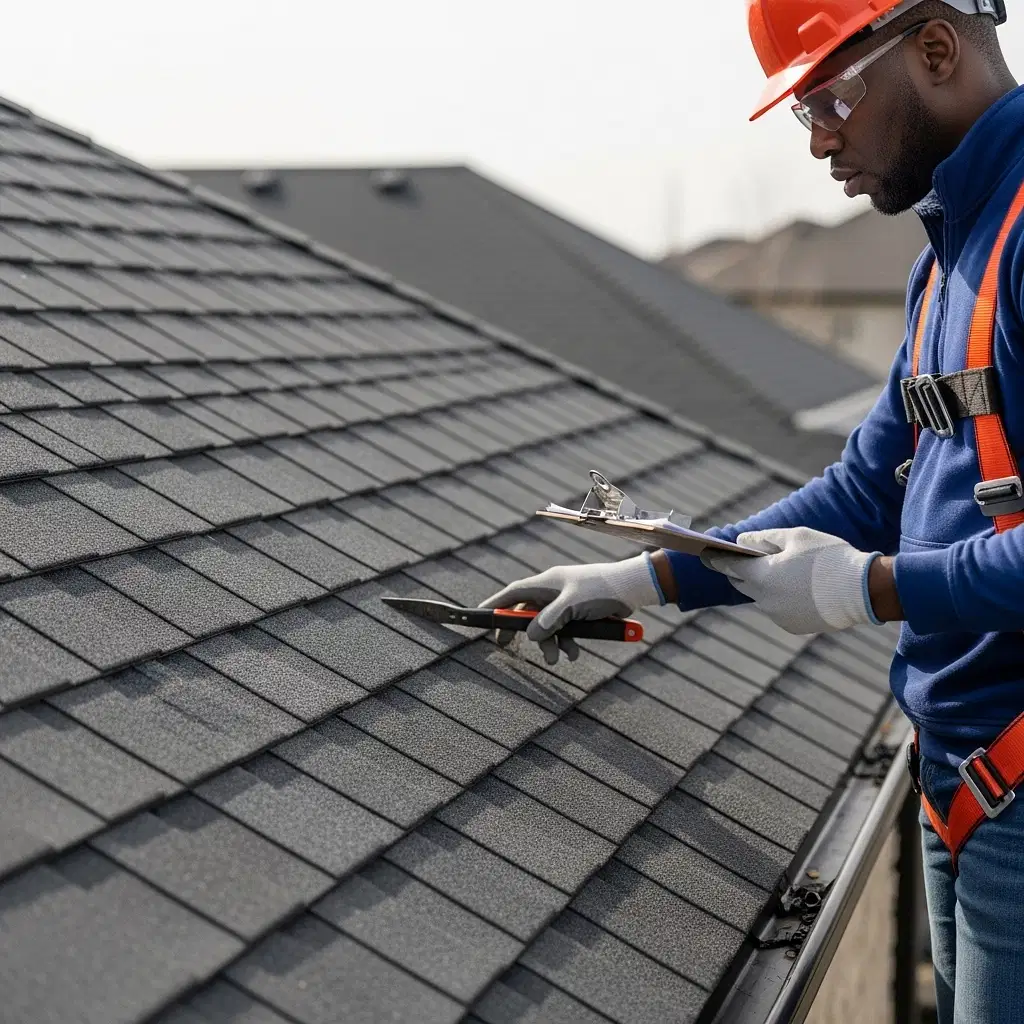
While a ground inspection is a great start, the most critical damage types are often subtle and can only be identified up close. For your safety, we strongly advise against getting on your roof yourself. Professional roofers have the training and safety equipment to perform a thorough inspection without risk. Here’s what they’re trained to spot:
- Hail Bruising: Hail damage is rarely a clean puncture. More often, it creates a “bruise” on the shingle. This impact spot might look like a small, dark dimple, but it represents a point where the shingle's internal fiberglass mat has been fractured. This compromises the shingle's water-shedding ability and creates a weak point that will eventually fail.
- Wind Lift and Creasing: High winds don't always rip shingles off completely. Often, the wind will lift the edge of a shingle, breaking the adhesive seal that holds it down. The shingle may lay flat again, but the seal is now broken, making it easy for wind-driven rain to get underneath. You might also see a horizontal crease where the shingle was bent backward, which is a significant weak point.
- Hairline Cracks: Impact from hail or debris can cause small, fine cracks in the shingle. These are nearly impossible to see from the ground but act as direct entry points for water, which can seep into the underlayment and roof decking.
Why a Professional Roof Inspection is Your Best Defense
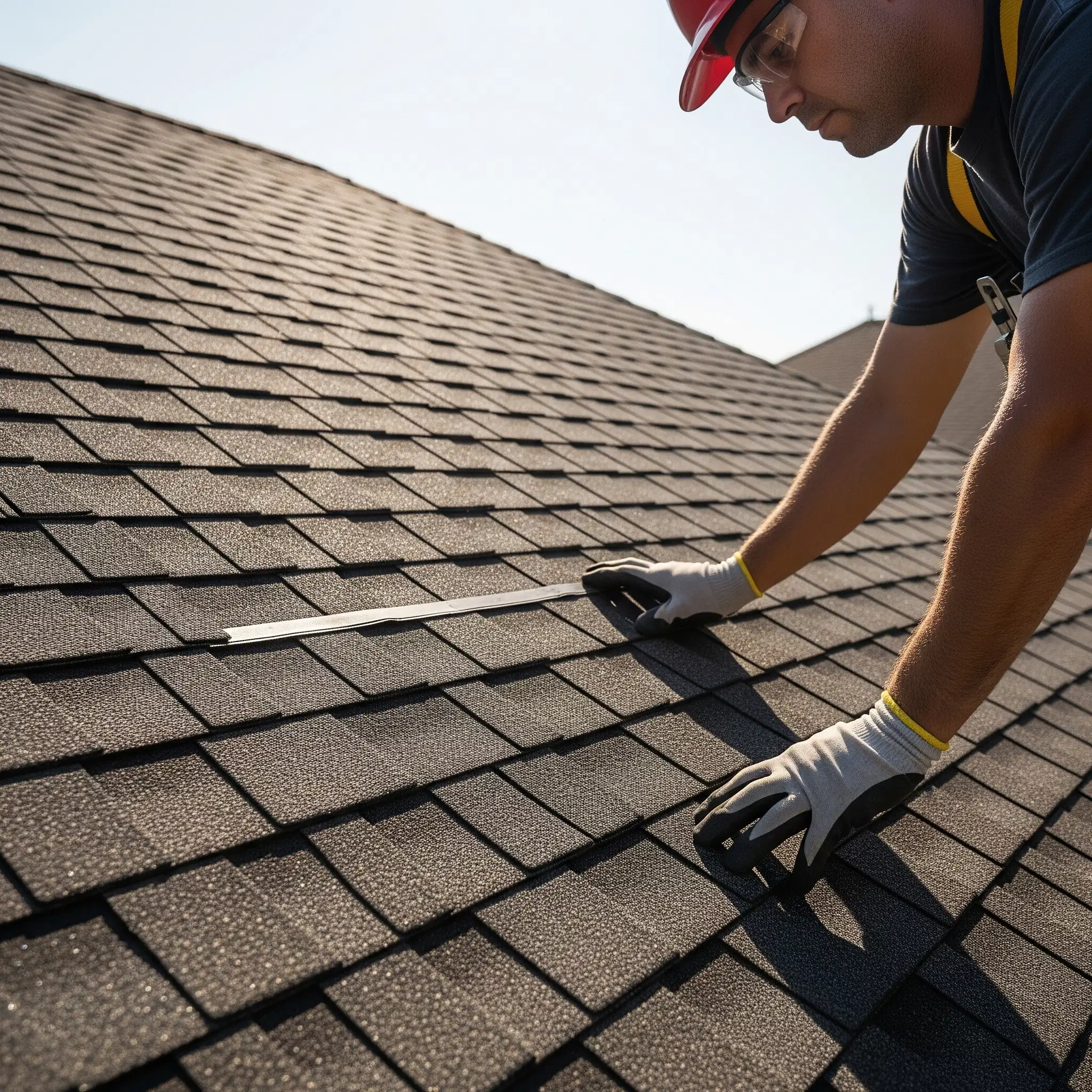
Identifying hidden storm damage is a science. An untrained eye can easily miss the subtle clues that signal future problems. A comprehensive professional roof inspection is the only way to get a true and accurate assessment of your roof's health after severe weather.
A trained inspector doesn't just look at the shingles; they assess the entire roofing system. This includes checking the seals around vents, pipes, and skylights, examining the integrity of the flashing in roof valleys and along walls, and looking for signs of water intrusion in the attic. This detailed evaluation provides you with the crucial documentation you'll need if you decide to file an insurance claim, ensuring that all damage is accounted for and properly addressed. It’s about gaining peace of mind and protecting your investment with a clear, expert opinion.
The High Cost of Waiting: Don't Let a Small Leak Become a Big Problem
A small, unseen point of failure in a shingle can have a domino effect on your entire home. Once water bypasses the shingle, it begins to saturate the underlying wood decking, which can lead to rot and structural decay. From there, it can seep into your attic, ruining insulation and reducing your home's energy efficiency. If left unchecked, this moisture can lead to hazardous mold growth and eventually cause visible water stains and damage to your interior ceilings and walls.
Addressing the issue promptly with a targeted storm damage roof repair is far more cost-effective than dealing with a full-blown interior water damage restoration project down the line. Proactive roof damage repair isn't just a fix; it's an investment in preserving the safety, comfort, and value of your home.
Protect Your Home with Confidence
After a storm rolls through, don't leave your home’s first line of defense to chance. Understanding the subtle signs of roof damage empowers you to act quickly and prevent long-term issues. If you have any reason to suspect your roof was impacted by recent severe weather, the best course of action is to seek a professional opinion.
Contact Curb Appeal Roofing and Restoration today to schedule a thorough and honest roof inspection for your Indianapolis-area home. Our experienced team will provide a detailed assessment and give you the clear information you need to keep your home safe and secure. Let us help you restore not just your roof, but your peace of mind.